


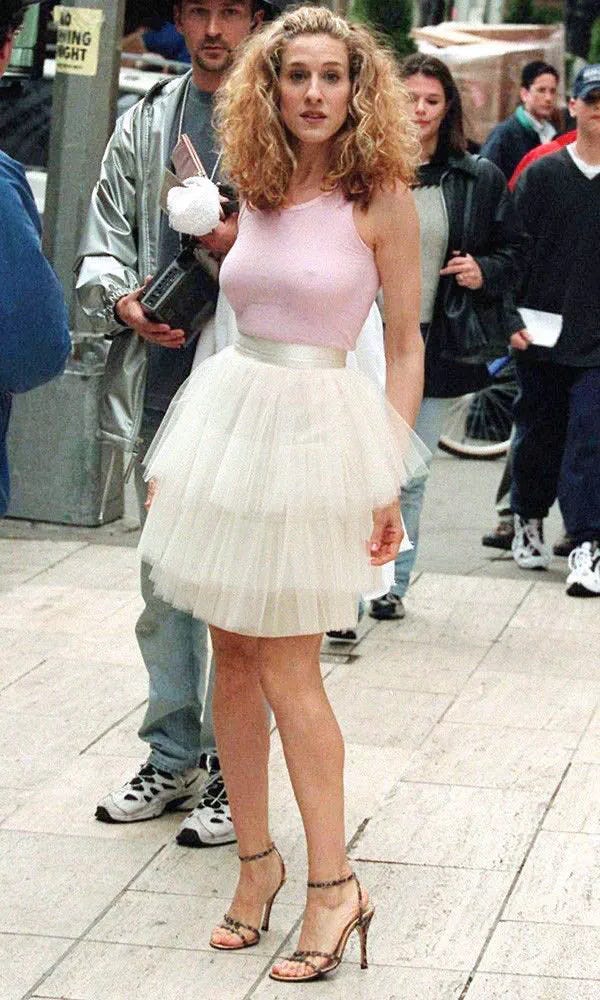
I’ve been reading Patricia Field’s book. And I need to tell you something about it before I say anything else, it is not a fashion book. I don’t know why I expected it to be, given everything she’s done, but I did, and I was wrong. It’s a book about character. About the specific, slightly obsessive work of asking who someone is before you touch a single piece of clothing. She didn’t sit down before each season of Sex and the City thinking about what was trending. She thought about Carrie. Who is she? What does she want? What is she terrified of? What chapter is she living? And then she dressed her. That’s why those clothes still matter thirty years later. Not because they were expensive or tasteful or even remotely practical. Because they were true to a person. You felt Carrie before you saw her.
[That tutu cost $5 at a thrift store, and Patricia had to fight for her vision, which would later become one of the series' most iconic and recognisable looks.]

I haven’t been able to stop thinking about that because it is the exact opposite of how most women get dressed in the morning.
Most women get dressed in reaction. To the weather, the meeting, the mood, the laundry situation, the low-grade feeling that they don’t quite look the part, even though nobody has ever clearly defined what the part is, and it keeps changing anyway. Getting dressed becomes this daily negotiation with no script and no clear answer, and it’s exhausting in a way that’s hard to explain because from the outside it just looks like a woman standing in front of a full wardrobe saying she has nothing to wear. Which is its own kind of embarrassing. Which makes it worse.
What if it started from the other direction?
There’s something called method dressing that’s been finding its way into fashion conversations lately. The idea is borrowed from acting, you dress not for the occasion but for the character. Not the character you’re performing for other people. The one you’re in the middle of becoming. Actors don’t start with the costume. They start with the person. What does she believe? What has she survived? What does she want so badly she’d never say it out loud? The clothes come from that. Not the other way around.

This is what I keep coming back to with clients. Because the most interesting thing that ever happens in a wardrobe edit, and I’ve done enough of them now to say this with some confidence, is never really about the clothes. It’s about the question underneath the clothes. And that question is almost always the same: who am I now? And does what I own actually reflect her?
Sometimes the answer is no because the wardrobe belongs to a previous chapter. The woman who built her career in her thirties, dressed for that version of herself - structured, armoured, quietly authoritative - and is now in her forties wanting something completely different. Something that actually feels like her rather than a role she’s grown out of. But the old clothes still fit, and getting rid of them feels wasteful, and she’s busy, so she keeps them. And every morning she opens the wardrobe and feels vaguely unsupported by everything she owns and can’t quite explain why.
Sometimes the wardrobe belongs to a chapter that hasn’t started yet. The event that never happened. The body that’s still coming. The life that’s perpetually about three months away from beginning properly. And sometimes, this is the one that stays with me, the woman has already changed completely. She knows who she is now. She just hasn’t told her wardrobe yet.
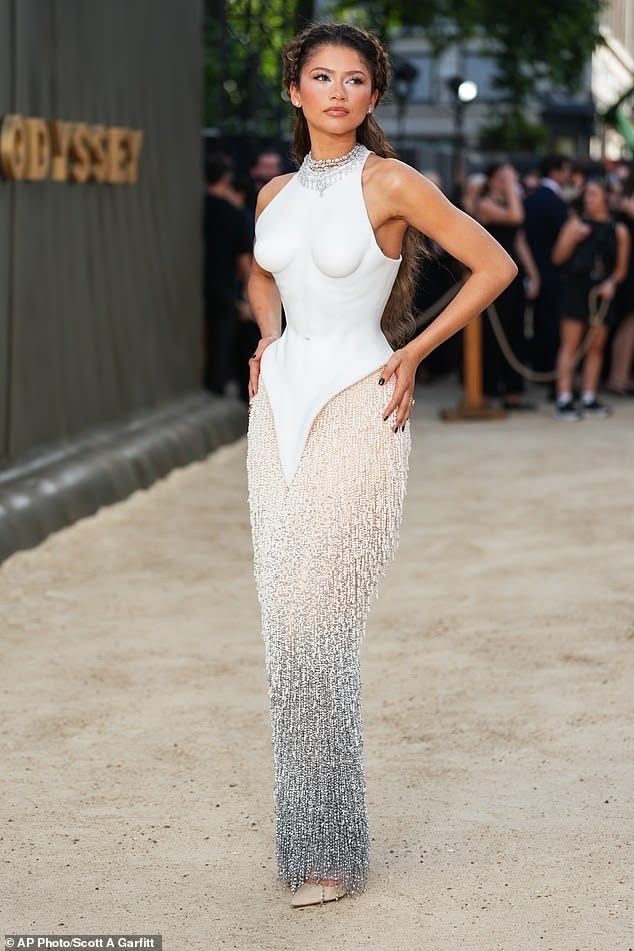
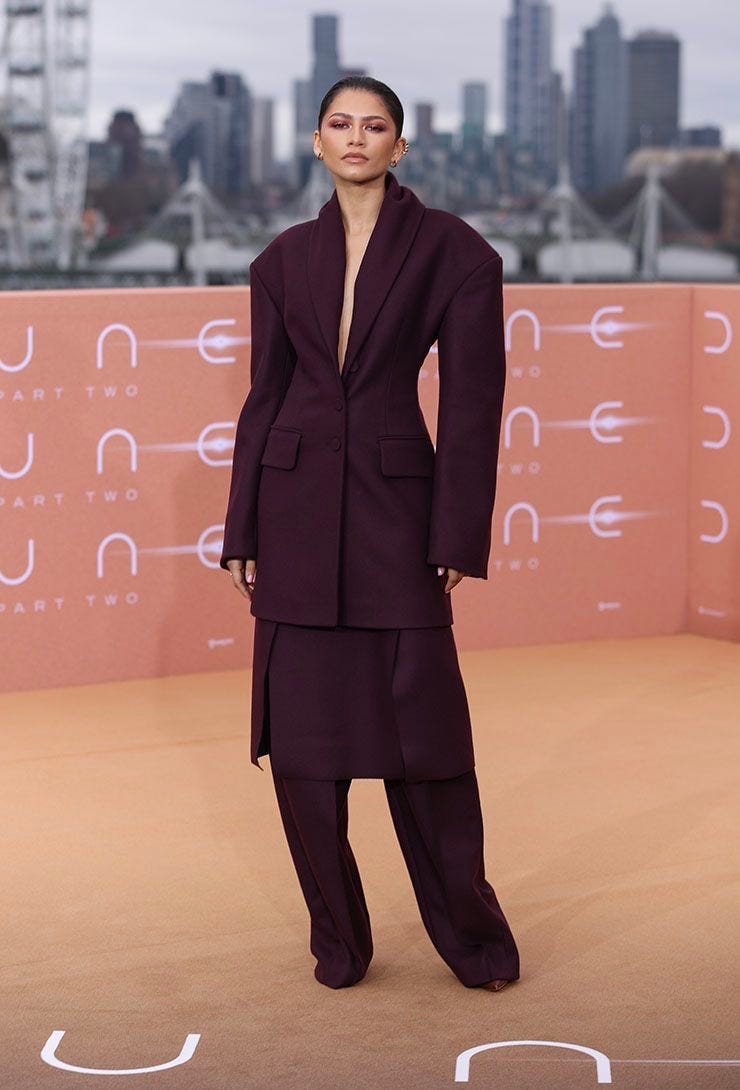
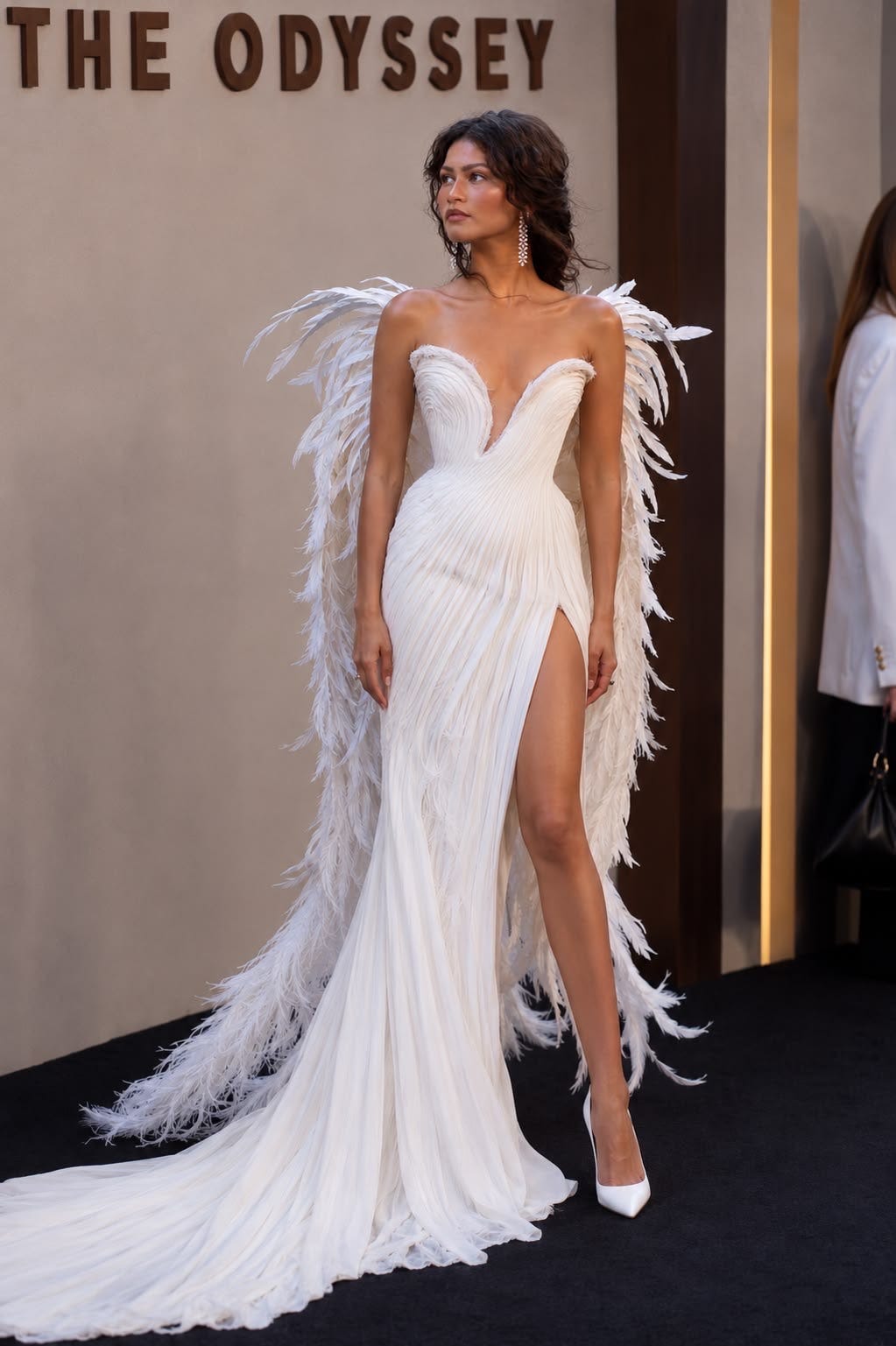
Method dressing in real life isn’t about doing what Zendaya does at a press tour, though she does it better than almost anyone and it’s worth paying attention to for that reason (with the help and great vision of her stylist Law Roach). It’s a much quieter practice. It’s asking, before you open the wardrobe, who you are actually dressing today. Not who you were. Not who someone else needs you to be. Who you are in this specific chapter, with what this chapter is actually asking of you.
What does the woman building something from scratch wear on the days she doesn’t quite believe in herself yet? What does the woman who just came out the other side of something hard wear when she’s ready to stop dressing like someone in recovery and start dressing like someone who made it through? What does the woman falling in love wear, not to attract someone, but to remind herself who she is before anyone else’s perception gets involved?
These are not small questions. And they have almost nothing to do with what’s in season.
Patricia Field knew this. She didn’t ask what Carrie would wear because it was fashionable. She asked who Carrie was. The clothes followed. That’s why they lasted.
The work I do is the real life version of that conversation. We go into the wardrobe not to find what’s missing but to find who’s there. What the clothes already know about the woman wearing them. What chapter they belong to and whether that chapter is still hers. And almost every time, what we find is that she already has what she needs. She just hasn’t been asked the right questions yet.
If you haven’t been asked them - the Wardrobe Pattern Assessment is where that starts. Who are you dressing? What chapter are you in? What does she actually need?
Less than three minutes. No shopping list at the end.
→ Take it by clicking the subscribe button.